-
Sale!

£30.00 Original price was: £30.00.£15.00Current price is: £15.00. + VAT
This one-hour introductory online course covers the basics of food hygiene for people who work around food, including HACCP, contamination hazards, allergens, personal hygiene, cleaning and safe storage. It suits catering and front of house staff, kitchen porters, cleaners, volunteers, and healthcare and social care workers. Learners complete an online multiple-choice assessment and receive an instant CPD-accredited digital certificate.
-
Sale!

£30.00 Original price was: £30.00.£15.00Current price is: £15.00. + VAT
This two-hour online course gives catering, hospitality and care staff the essential knowledge to handle food safely. It covers contamination prevention, allergens, personal hygiene, temperature control, cleaning and food safety management. It ends with an online multiple-choice assessment and a CPD-accredited digital certificate, available immediately on successful completion.
-
Sale!

£30.00 Original price was: £30.00.£15.00Current price is: £15.00. + VAT
This two-hour online course gives retail food staff the knowledge to prepare, handle, store and sell food safely. It covers personal hygiene, cleaning, allergens, stock control, pest control, food hygiene ratings and cooking and chilling. It ends with an online multiple-choice test and an instant CPD-accredited digital certificate.
-
Sale!
£30.00 Original price was: £30.00.£15.00Current price is: £15.00. + VAT
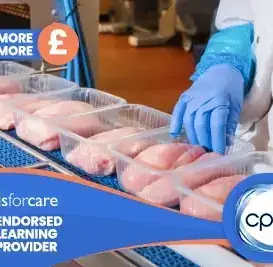
This two-hour online course teaches food manufacturing staff the essential hygiene and safety practices needed to prevent contamination and control food hazards. It covers allergens, temperature control, personal hygiene, cleaning, pest management, food law and HACCP principles. It ends with an online multiple-choice assessment and an instant CPD-accredited digital certificate.
-
Sale!

£30.00 Original price was: £30.00.£15.00Current price is: £15.00. + VAT
This three-hour online course gives food supervisors and managers the knowledge to control contamination, allergen and hygiene risks. It covers food safety legislation, microbiology and food poisoning, HACCP, the supervisor’s role and staff training. It ends with a quiz, unlimited retakes and a free CPD-accredited certificate, available immediately on completion.

